
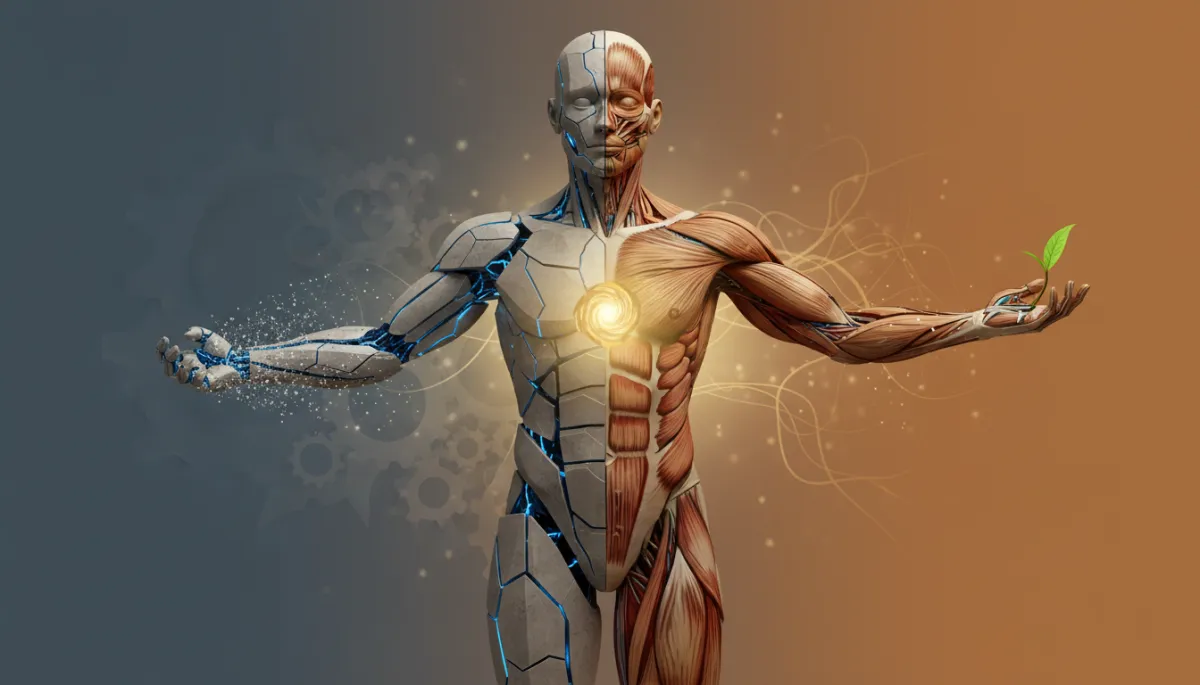
Beyond Alpha: Rethinking Performative Masculinity
Culture, Performative Masculinity, Emotional Health
The Trap of Performative Masculinity: Moving Beyond “Alpha” Culture
What if the version of “manhood” you’re chasing is quietly draining the life out of you? If you’ve ever wondered, “Why do I feel empty even when I’m doing everything a man is ‘supposed’ to do?”—you’re not alone. This is the quiet cost of modern performative masculinity and the obsession with alpha male culture.
Performative Masculinity and the Cost of Emotional Suppression
At the heart of alpha male culture is a script: be dominant, never show weakness, always stay in control. Men are rewarded for playing the role convincingly, even when it means abandoning their inner lives. This is emotional suppression disguised as strength.
Emotional suppression doesn’t make feelings disappear; it only drives them underground. Anger becomes the only “acceptable” emotion, while fear, grief, tenderness, and uncertainty are buried. Over time, this creates a split: the public self that performs certainty, and the private self that quietly unravels. Anxiety, numbness, and sudden explosions of rage are not signs of failure; they are the nervous system protesting years of being told to “man up.”
📌 Key Takeaway: Emotional suppression is not resilience; it is a slow disconnection from your own life.
The Limits of Robotic Resilience
Many men absorb the message that resilience means becoming a kind of emotional machine: unbothered, unshakable, always ready to grind. This “robotic resilience” is celebrated in performative masculinity—but it has hard limits.
Bodies burn out. Nervous systems overload. Relationships fracture when partners feel they are living with a wall instead of a person. The pressure to be endlessly productive, sexually dominant, financially invulnerable, and emotionally invincible eventually collides with the reality that humans are finite. No one can sprint forever without collapse. The question is not if the façade will crack, but when, and how much damage will be done in the meantime.
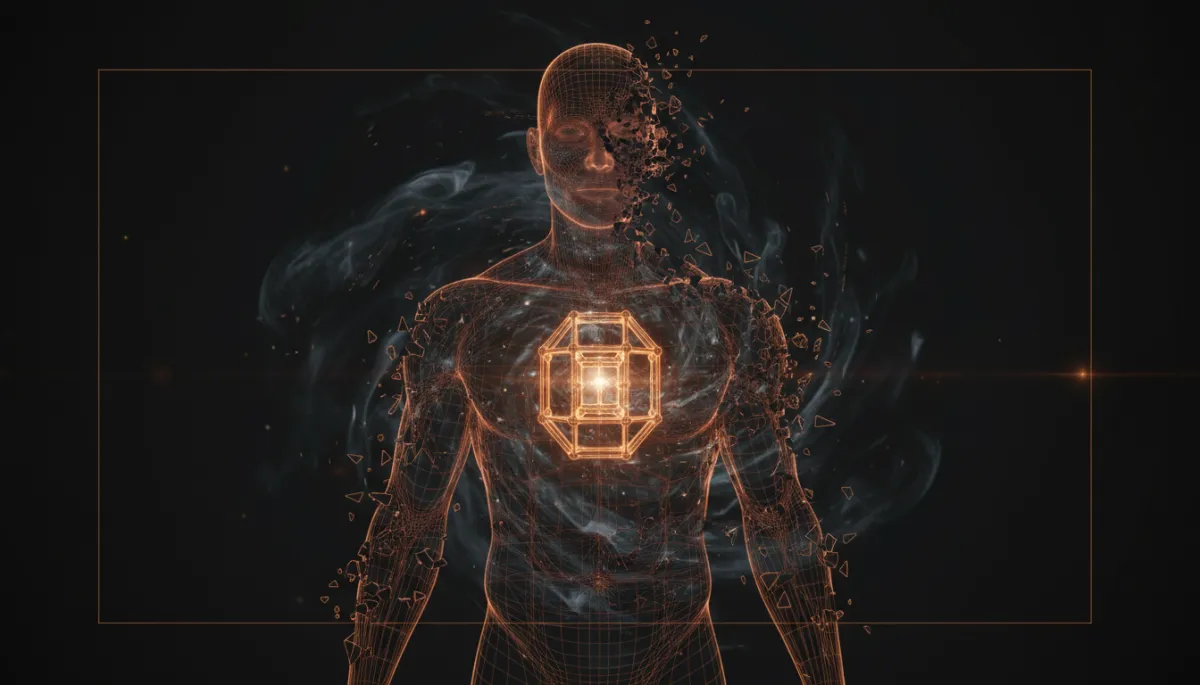
When resilience becomes performance, exhaustion and isolation quietly take its place.
Humanity in Strength: A Different Definition of Power
Humanity in strength is the opposite of the alpha male culture script. It does not ask men to be less strong; it asks them to be strong in a way that includes their full humanity. Instead of toughness built on denial, it honors toughness built on honesty: “I am scared and I will still show up. I am hurting and I will still choose not to harm you.”
This kind of strength makes space for vulnerability, accountability, and care. It understands that the ability to apologize, to listen, to regulate one’s anger, and to ask for help are not signs of weakness but markers of maturity. It is the courage to be seen as a whole person, not a curated archetype.
💡 Pro Tip: Notice where you feel the urge to “prove” yourself. That impulse often points directly to a part of you that needs care, not performance.
Why Humanity Matters More Than the Alpha Myth
Strip away the online bravado and you find a simple truth: humanity matters because life is relational. Careers, friendships, partnerships, parenting—all of it depends on your capacity to connect. Alpha male culture promises power through dominance, but real influence is built through trust, empathy, and reliability, not intimidation.
When you allow yourself to be human, you become more adaptable. You can learn from feedback instead of defending your ego. You can repair conflict instead of cutting people off. You can adjust course when a plan fails rather than pretending everything is fine. In a world that is constantly changing, this flexibility is far more powerful than any rigid “alpha” posture.
The Entropy of Detachment: When Numbness Becomes the Default
Entropy is the gradual slide from order into disorder. In the context of performative masculinity, the entropy of detachment looks like this: at first, emotional distance feels like control. Over time, it becomes disconnection—from your body, from your values, and from the people who matter most.
You stop noticing what you actually want and default to what looks impressive. You stop feeling joy as intensely as you used to, because you’ve dulled the emotional spectrum to avoid pain. You might have status, money, or validation, yet feel strangely absent from your own story. That is the quiet tragedy of detachment: you “win” the game but lose yourself in the process.
True Mastery: Respecting the Complexity of Being Human
The deepest challenge to alpha male culture is this: true mastery involves respecting the complexity of being human. It means recognizing that you are not a brand, a role, or a persona—you are a living system of thoughts, instincts, histories, and hopes. You will contradict yourself. You will change. You will need others. That is not a flaw; it is the design.
Moving beyond performative masculinity does not require you to abandon ambition, drive, or strength. It asks you to root those qualities in self-awareness instead of insecurity, in connection instead of conquest. The work is subtle but radical: feeling your emotions without being ruled by them, owning your impact on others, letting yourself be seen in your full, imperfect humanity.
In the end, the bravest move a man can make is not to become more “alpha,” but to become more real. The mask might impress strangers, but your life is lived with the people who meet you when the performance ends. That is where humanity in strength truly matters—and where a different, deeper kind of power begins.
Conclusion: What Kind of Strength Do You Want to Be Remembered For?
When you look back on your life, will you be proud of how well you performed a role—or how fully you lived as yourself? The culture of performative masculinity and “alpha” posturing offers quick validation but long-term emptiness. Choosing humanity in strength is slower, quieter, and far more courageous.
You don’t have to fix everything overnight. You can start with one honest question: “Where am I performing, and where am I actually present?” From there, each small act of honesty, vulnerability, and self-respect becomes a step away from the alpha mask and toward a life that is not just impressive from the outside, but deeply lived from within.