
Boost Self-Respect: Drop These 4 Harmful Habits
Self-Respect, Boundaries, Emotional Wellbeing
Protect Your Self‑Respect, Energy, and Peace by Dropping These Four Habits
You don’t have to fix everything overnight to feel better. Often, the biggest shift in your self-respect, energy, and peace comes from what you stop doing. When you release a few harmful habits, you create room for clarity, strength, and real inner stability to grow.
Harmful Habit #1: Replaying the Past Instead of Learning From It

One of the fastest ways to lose your peace is to live like you have a rewind button in your mind. You replay what you said, what they did, how it should have gone. The scene never changes, but your self-respect quietly erodes each time you hit repeat.
Protecting yourself starts with a simple shift: the past is a teacher, not a prison. Instead of asking, “Why did this happen to me?” try, “What can I learn so I don’t repeat this?” Take the lesson, not the self-blame. You can’t edit yesterday, but you can upgrade tomorrow by what you understand today.
💡 Pro Tip: When an old memory shows up, write down one lesson and one new action you’ll take. Then gently tell yourself, “I’m done re-watching this scene.”
Harmful Habit #2: Treating Uncertainty as Proof You’ll Fail
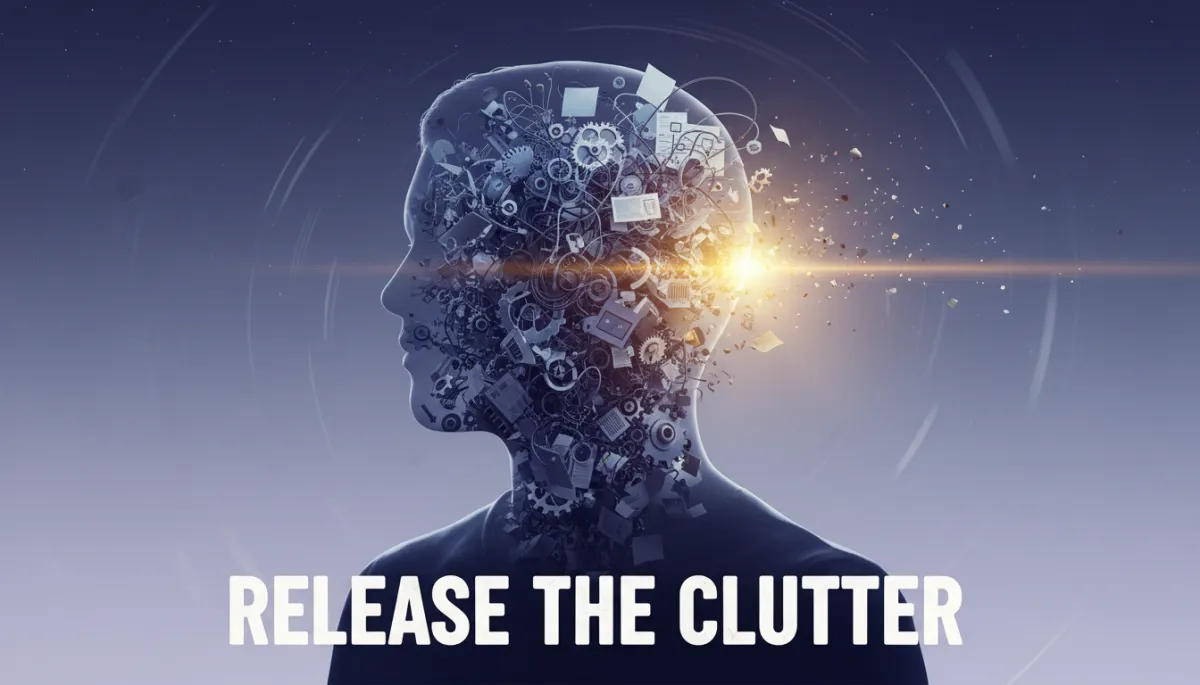
Many of us quietly believe, “If I don’t know exactly how it will work out, it probably won’t.” That belief keeps you stuck, anxious, and constantly questioning yourself. But uncertainty is not a verdict. It’s just a blank page waiting for your effort, decisions, and growth.
Protecting your energy means handling the future with confidence instead of fear. Confidence doesn’t mean you’re sure you’ll win; it means you trust yourself to handle whatever happens. You stop treating every unknown as a warning sign and start seeing it as a space where you can learn, adjust, and improve.
Confidence grows when you move forward despite not having every answer.
Harmful Habit #3: Looking for Happiness in Everyone but Yourself
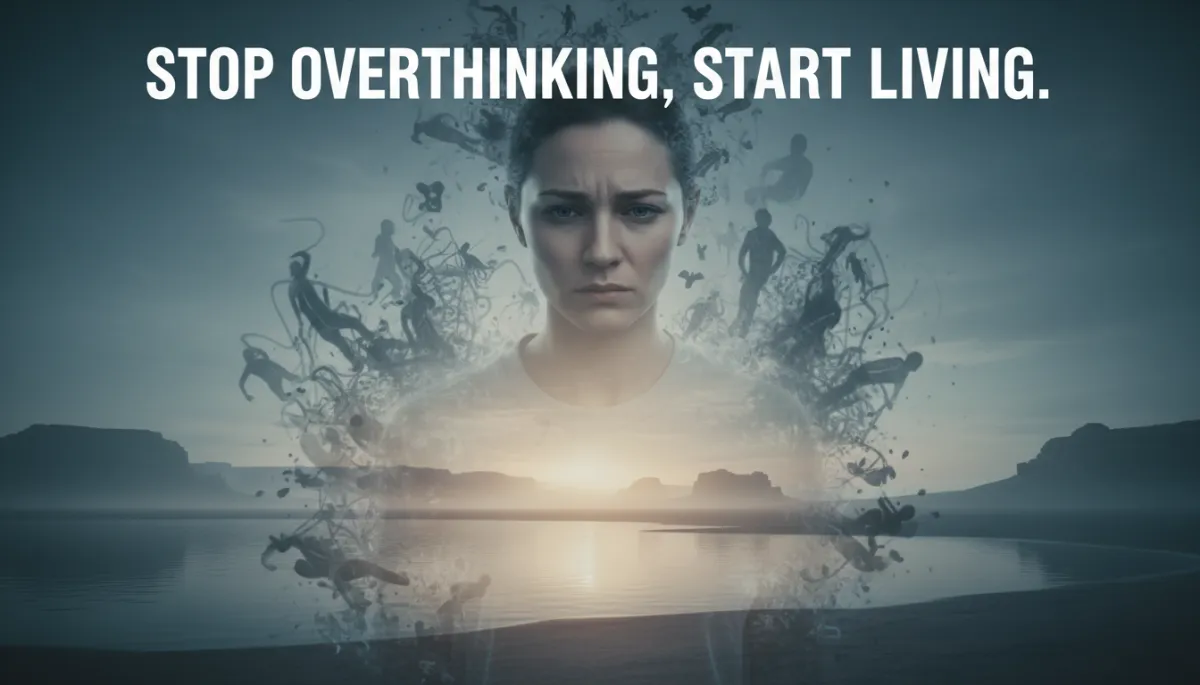
It’s easy to believe happiness will arrive with the right person, the right approval, or the right moment. But when your sense of worth and stability sits in other people’s hands, your peace is always at risk. One argument, one cold message, one change of heart—and your whole mood crashes.
Real happiness begins where you are, not where someone else is. You find it in how you talk to yourself, how you honor your needs, and how you live your values even when no one is watching. Relationships, friends, and community can add joy, but they can’t be the foundation of your stability. That foundation has to be you.
Building peace inside yourself might look like a daily check-in: “What do I need today to feel grounded?” It might be a walk, a workout, prayer, journaling, therapy, or a quiet hour without your phone. These small acts tell your nervous system, “I am here for me.” That message is where lasting happiness starts.
📌 Key Takeaway: Others can support your joy, but they should never be the only source of it.
Harmful Habit #4: Giving So Much You Disappear

Being generous, loyal, and caring is a strength—until it costs you your sense of self. If you always say yes, always rescue, always overextend, you slowly teach people that your time and energy are unlimited. Meanwhile, you feel drained, resentful, and strangely invisible in your own life.
Protecting your peace requires setting limits. That means deciding how much time, energy, and emotional labor you can realistically give without harming yourself. It means understanding that “no” is not selfish; it’s a way of saying “yes” to your mental health, your priorities, and your long-term wellbeing.
Protect your time by scheduling it—work, rest, and play all matter.
Protect your energy by noticing who leaves you drained and limiting access.
Protect your self-respect by not explaining your boundaries to people who benefit from you having none.
You can still give, love, and show up—just not at the cost of abandoning yourself. Giving without losing yourself is generous and sustainable. It allows you to stay kind without being used, present without being depleted.
Choosing Yourself in a Healthy Way
Choosing yourself is not about becoming cold or selfish. It’s about recognizing that you are responsible for your own clarity, strength, and control. When you stop replaying the past, stop assuming the future will fail, stop outsourcing happiness, and stop giving until you disappear, you finally have the space to choose you.
That might look like walking away from conversations that constantly disrespect you, turning your phone off at night, or saying, “I can’t do that today.” It might look like investing in therapy, coaching, or communities that teach healthy boundaries and emotional skills instead of chaos and drama.
If you’re not sure where to start, spaces like boundariesandbrotherhood may offer resources, tools, and guidance to help you learn these skills. You don’t have to figure it all out alone. Learning how to set limits, protect your time and energy, and build peace inside yourself is a journey—but it’s one that pays you back every single day.
Your Peace Is Worth Protecting
You deserve a life where your self-respect is intact, your energy is not constantly leaking, and your peace is not up for negotiation. Start by dropping these four habits: replaying the past, treating uncertainty as failure, chasing happiness only through others, and giving until you vanish. Then, step by step, choose yourself in ways that are firm, kind, and honest.
You can’t control everything that happens, but you can control how you care for you. And that decision—repeated in small ways, every day—is where a stronger, calmer, more grounded version of you begins.