
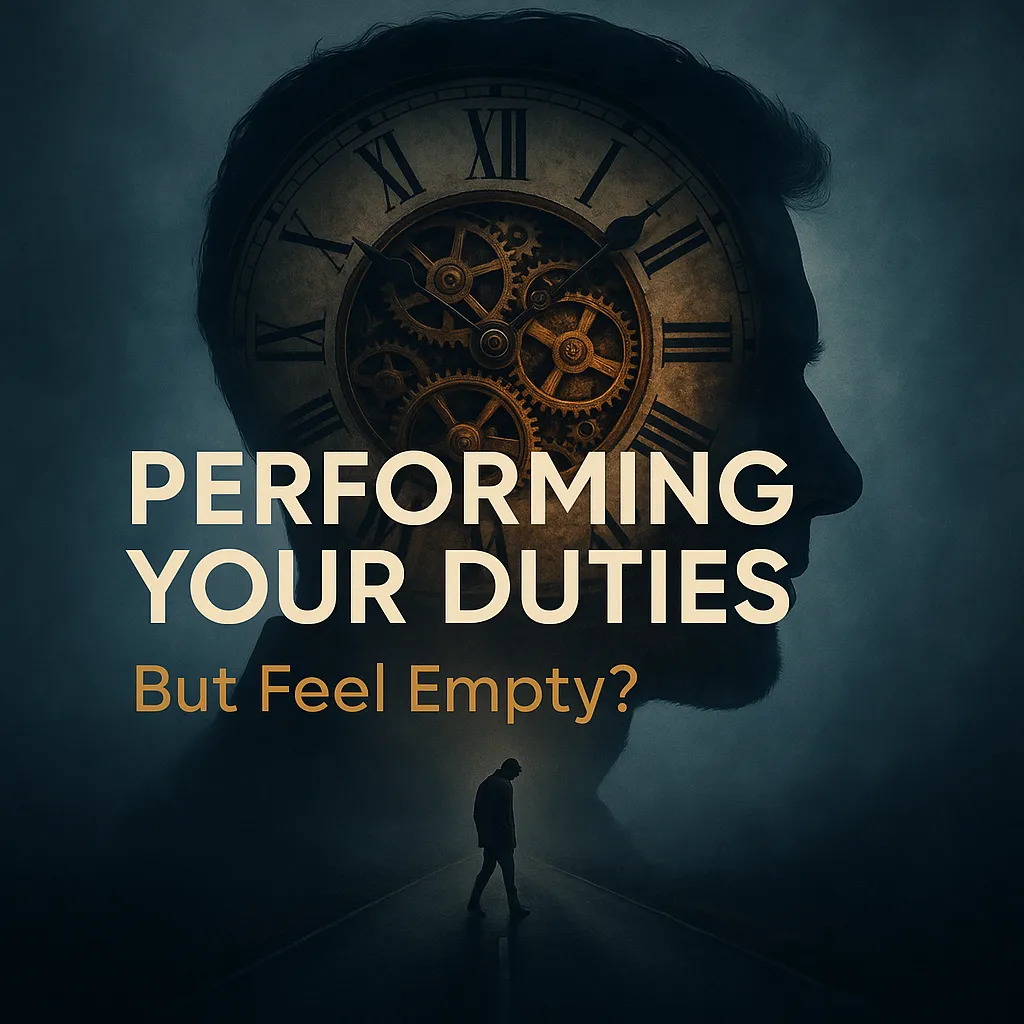
Protect Your Peace: Boundaries and Personal Growth
Personal Growth, Personal Boundaries, Emotional Well-being
When Kindness Goes Quiet: Boundaries That Protect Your Personal Peace
Many gentle, caring people eventually reach a point where their kindness becomes quieter. They stop over-explaining, stop chasing closure, and sometimes stop responding altogether. From the outside, this silence can look cold or distant. In reality, it is often a powerful act of self-protection, rooted in personal boundaries, emotional well-being, and a deep desire for personal growth. As you learn to honor your personal peace, you begin to see that kindness and silence can work together to support healthier personal boundaries and deeper emotional well-being.

Protecting Your Peace
How Boundaries Turn Quiet Into Strength
Personal Boundaries: The Invisible Lines That Guard Your Peace
Personal boundaries are the emotional, mental, and physical limits that protect what matters most to you: your time, your energy, your values, and your sense of self. They are the quiet rules that say:
“This is what I am willing to give.”
“This is how I expect to be treated.”
“This is where I step away to protect my personal peace and emotional well-being.”
Healthy personal boundaries are not walls that shut people out; they are doors with handles on your side. You decide who comes in, how long they stay, and under what conditions. This is essential for emotional well-being because it prevents resentment, burnout, and the slow erosion of self-respect that can happen when you constantly override your own needs to please others. When you honor your personal boundaries, you actively protect your personal growth and create a life where your personal peace is non-negotiable.
💡 Key Insight: Boundaries are not punishments; they are protection. They exist to keep your heart open without leaving it unguarded, allowing personal boundaries and emotional well-being to support each other.
Why Kind People Become Silent: Kindness and Silence as Self-Protection
People who are naturally compassionate often spend years over-giving. They listen, support, explain, apologize, and try again—long after a situation has stopped being healthy. Over time, this can lead to emotional exhaustion. When repeated efforts to communicate are dismissed, twisted, or ignored, kindness and silence start to intertwine in a new way, becoming part of how they enforce their personal boundaries.
Silence, in this context, is rarely about indifference. It is a boundary. It says: “I have explained myself enough. I have tried to be understood. Continuing to argue or justify my feelings is harming my emotional well-being, so I choose to step back to protect my personal peace.” In this way, kindness and silence work together to support your personal growth.
Some common reasons kind individuals become quiet and lean on kindness and silence as protection include:
Emotional Overload: Constant conflict or criticism drains their nervous system, making withdrawal a form of self-care and a way to restore emotional well-being.
Lack of Safety: When honesty is met with mockery, gaslighting, or anger, silence can feel safer than speaking, reinforcing the need for stronger personal boundaries.
Repeated Disrespect: After boundaries are crossed again and again, explaining starts to feel pointless, and distance becomes protection for their personal peace.
Preserving Self-Worth: They recognize that continuing the conversation means continuing to abandon themselves, which directly undermines their personal growth and emotional well-being.
“Sometimes the kindest thing you can do for yourself is to stop explaining to those committed to misunderstanding you.”
Silence vs. Suppression: Knowing the Difference
Not all silence is healthy. Some silence is suppression: you swallow your feelings, pretend you are fine, and carry the weight alone. This can harm your emotional well-being, leading to anxiety, resentment, or even physical symptoms like fatigue and tension. Suppression erodes personal boundaries and distances you from your own personal peace.
Protective silence, on the other hand, is conscious. It’s a boundary supported by self-awareness. You may still express your feelings—to a journal, a therapist, a trusted friend, or in your own private reflections—but you stop offering your heart to conversations where it is not safe. This version of silence supports both personal growth and personal boundaries, allowing kindness and silence to coexist in a way that nurtures your emotional well-being.

Solitude often gives kind people the space to rebuild their inner personal peace and emotional well-being.
How Boundaries Nurture Emotional Well-Being
When you begin to honor your limits, your inner world starts to change. Emotional well-being is not just the absence of pain; it is the presence of safety, clarity, and self-respect. Healthy personal boundaries create space for:
Calmer Nervous System: Less drama and fewer draining interactions mean more room for rest, creativity, and joy, all of which support your personal peace.
Clearer Self-Image: You stop defining yourself by what others demand from you and start honoring what you need from yourself, reinforcing personal growth and emotional well-being.
Healthier Relationships: People who genuinely care will adapt to your personal boundaries; those who only valued your compliance may fall away, leaving more space for relationships that respect your personal peace.
📌 Key Takeaway: When you protect your personal peace, you do not become less kind—you become kinder in ways that no longer cost you yourself. This is how personal growth, personal boundaries, and emotional well-being align.
Understanding Healthy Boundaries: What They Look and Sound Like
Understanding healthy boundaries means recognizing that you are responsible for your own behavior, not for managing everyone else’s emotions. Personal boundaries can be gentle and firm at the same time. They often sound like:
“I’m not available to talk about this right now.”
“I care about you, but I need to step back for my own emotional well-being and personal peace.”
“If this continues, I will have to remove myself from the situation to protect my personal boundaries.”
Sometimes, healthy personal boundaries are communicated clearly with words. Other times, they are expressed through action: fewer replies, slower responses, or a complete decision to disengage. For many kind individuals, this shift from constant availability to intentional distance is a major step in their personal growth and a powerful way to reclaim their personal peace.
Personal Growth: From People-Pleasing to Self-Respect
Learning to set and hold personal boundaries is a profound act of personal growth. Many of us were taught—directly or indirectly—that being good means being endlessly available, endlessly forgiving, and endlessly patient. But growth invites a new definition of kindness, one that includes you and honors your personal peace and emotional well-being.
Personal growth in this area might look like:
Not replying immediately to every message that stirs your anxiety, giving yourself time to check in with your personal boundaries.
Allowing yourself to say “no” without a lengthy justification or apology, trusting that this supports your emotional well-being.
Choosing distance from people who consistently drain, dismiss, or disrespect you, even if that means embracing more kindness and silence in order to protect your personal peace.
As you practice these shifts, you may feel guilt at first. That is normal. Guilt often appears when we break old patterns, even when those patterns were unhealthy. With time, guilt can soften into relief, and relief into quiet confidence. This is the inner reward of aligning kindness with self-respect, and it is a powerful marker of personal growth and strengthened personal boundaries.
Gentle Practices to Strengthen Your Boundaries
If you are beginning to explore boundaries that protect your personal peace, consider these simple practices to support your emotional well-being and personal growth:
Pause Before You Say Yes: When someone asks for your time or energy, give yourself a moment. Ask, “Do I genuinely have the capacity for this?” Let your answer guide you, and let your personal boundaries be part of that decision.
Notice Your Body’s Signals: Tight chest, clenched jaw, or a sinking feeling can be signs that a boundary is being crossed. Your body often knows before your mind catches up, offering early warnings that your personal peace and emotional well-being need attention.
Journal Your Limits: Write down what you are no longer willing to tolerate and what you want to invite more of. Clarity on paper supports clarity in action and strengthens your personal boundaries and personal growth.
Seek Support: Talking with a therapist, coach, or trusted friend can help you stay grounded as you practice new boundaries and navigate the reactions of others, especially when your kindness and silence are misunderstood. This support reinforces your emotional well-being.
A Closing Reminder: Your Peace Is Worth Protecting
If you have grown quieter over the years—if you argue less, explain less, or choose distance more often—it may not mean you care less. It may mean you finally care about yourself, too. Your personal boundaries, your emotional well-being, and your personal growth all deserve the same tenderness you have so freely given to others, and your personal peace is a vital part of that care.
Kindness and silence can coexist in a healthy way when your quiet is chosen, not forced—when it comes from self-respect, not fear. You are allowed to protect your personal peace. You are allowed to step back from what harms you, even if you once loved it deeply. And you are allowed to build a life where your gentleness is honored, including by you, through clear personal boundaries, committed personal growth, and steady emotional well-being.