

Reclaim Your Time with Strong Boundaries
Mental Health, Personal Boundaries, Self-Help
Boundaries That Hold: Reclaiming Your Time, Energy, and Mental Health
Strong personal boundaries are not selfish—they are the framework that protects your mental health and makes real self‑help possible.
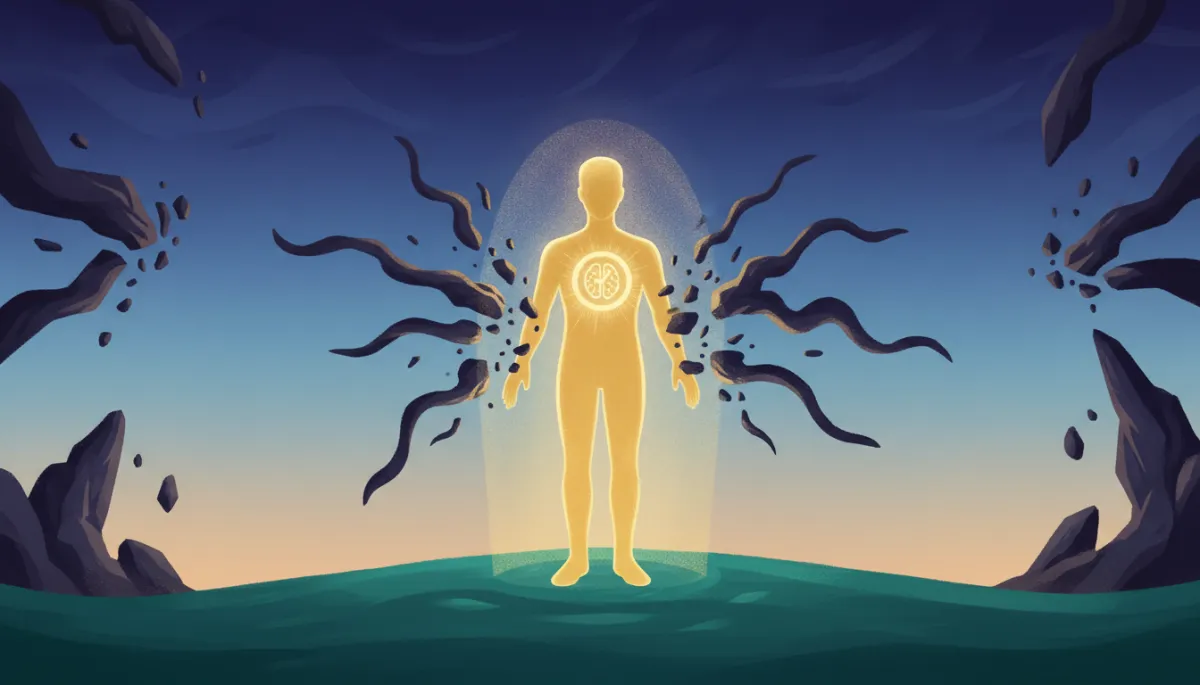
Stand Firm in Who You Are
Clear boundaries are the foundation of lasting mental wellbeing
What Personal Boundaries Really Are—and Why They Matter
Personal boundaries are the limits you set on what you will accept—emotionally, mentally, and physically. They define where you end and others begin. Without them, your time is negotiated for you, your emotions are managed by others, and your priorities are quietly replaced by theirs. With them, you decide how you are treated, how much you give, and when you step back to protect your wellbeing.
Healthy boundaries are not walls—they are doors. They allow in what nourishes you and keep out what drains you. They make relationships clearer, not colder. When you state a boundary calmly and consistently, you are not pushing people away—you are inviting them to meet you on respectful, sustainable terms.
The Link Between Boundaries and Mental Health
Chronic stress, burnout, and resentment rarely appear out of nowhere—they grow in the space where boundaries are missing, ignored, or constantly broken. When you feel obligated to say yes, to stay available, to absorb other people’s emotions, your nervous system never fully rests. Over time, this overload shows up as anxiety, exhaustion, irritability, and a quiet sense of losing yourself.
By contrast, clear boundaries act as psychological protection. They reduce emotional overload, limit exposure to toxic dynamics, and create predictable space for rest and recovery. This is not abstract—your sleep improves, your focus sharpens, your body relaxes more easily. Protecting your limits is a direct investment in your mental health, not an optional extra when everything else is done.

Regular moments of reflection turn vague discomfort into clear, actionable boundaries.
Self‑Help That Starts With Self‑Respect
Much of self‑help focuses on productivity, positivity, and pushing harder. Yet without boundaries, every new habit becomes another demand on a life that is already overloaded. Genuine self‑help begins with a different question—what will I no longer sacrifice for the comfort or approval of others? That question is not selfish; it is foundational. It forces you to treat your own needs as valid data, not background noise.
When you define your boundaries, self‑help becomes targeted. Instead of trying every technique, you focus on what protects your energy—sleep routines, time alone, therapy, movement, honest conversations. You stop chasing constant improvement and start building a life that is sustainable. The goal is not to become invulnerable; it is to become responsible for how you allow your mind and heart to be treated, including by yourself.
Practical Steps to Set—and Keep—Your Boundaries
Name your non‑negotiables—sleep, alone time, therapy sessions, or device‑free evenings. Protect them in your calendar as firmly as any meeting.
Use clear language—“I am not available after 7 p.m.” or “I can listen, but I cannot fix this for you.” Avoid long explanations; clarity is enough.
Expect discomfort—people benefit from your lack of boundaries. Their resistance does not mean you are wrong; it means the pattern is changing.
Back your words with action—if a boundary is ignored, step back, end the call, leave the conversation, or decline future requests.
📌 Key Takeaway: A boundary you never enforce is a preference, not protection. Your mental health depends on the difference.
You Are Allowed to Take Up Space
Many people hesitate to set boundaries because they fear being difficult, demanding, or unkind. The reality is simpler—you are allowed to take up space in your own life. You are allowed to change your mind, to decline invitations, to log off, to leave conversations that leave you feeling small. You are allowed to choose environments and relationships that support your mental health instead of eroding it.
Personal boundaries, self‑help, and mental health are not three separate projects—they are one integrated commitment to living with self‑respect. When you honor your limits, you send a clear message to yourself and to the world—my wellbeing is not negotiable. From that place, growth is not a performance; it is a steady, grounded choice you make every day.